

Transmission Slipping? Warning Signs You Shouldn't Ignore
Revving without pulling, delayed engagement, hard shifts, a burnt smell. Here is what each one means and why acting early saves you real money.
Slipping Is Your Transmission Asking for Help Early
A transmission almost never fails without warning. It slips a little, then a little more, and the drivers who catch it in the first stage usually walk away with a modest repair bill. The drivers who wait through a summer of "it only does it sometimes" are the ones staring down a rebuild. At Titan Auto Services in Jacksonville, we see both stories play out, from folks around town and from commuters heading down 67/167 from Cabot every morning.
Owner Dave Sluder has spent 36 years in the auto repair business, and our dealer-certified technicians handle the full range of transmission and drivetrain work, from fluid services and solenoid replacement to differential and drivetrain repairs. Every repair we complete is backed by our 24-month/24,000-mile warranty, and the shop holds a 5.0 rating across 42 Google reviews. If any of the warning signs below sound familiar, the smart move is a diagnosis this week, not next month.
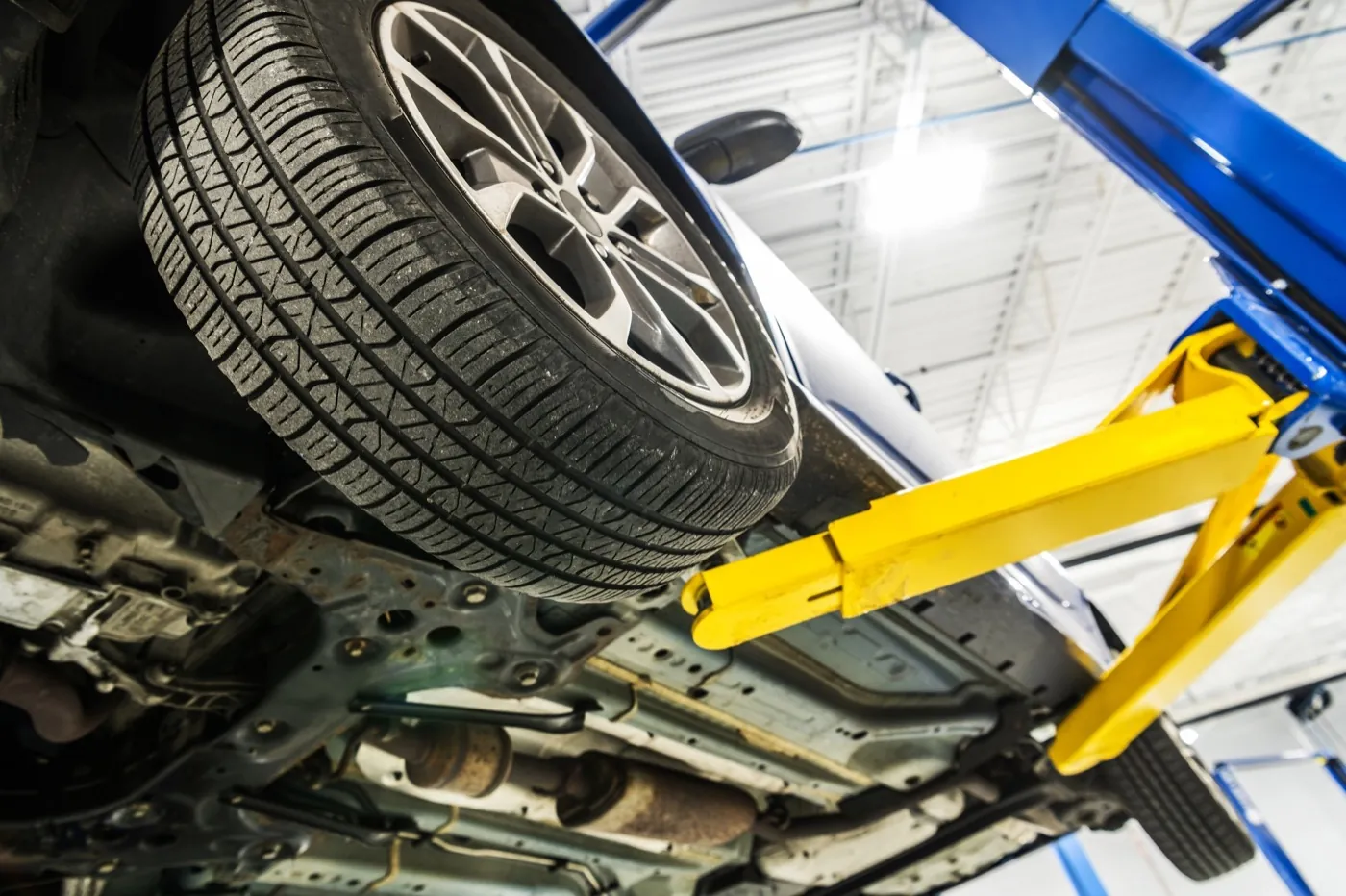
Four Signs Your Transmission Is Slipping
The RPMs climb but the speed doesn't
This is the defining symptom. You press the accelerator, the tachometer jumps, and the vehicle does not pull to match. Inside an automatic, that flare means the clutch packs or bands are not gripping fully, so engine power is turning into heat instead of motion. It shows up first under load: merging onto the highway, climbing a grade, or towing. Each flare scorches a little more friction material, which is why this symptom never improves on its own.
Delayed engagement when you shift into gear
Shift from Park into Drive or Reverse and count. A healthy transmission engages almost immediately. A pause of a second or two, sometimes ending in a clunk, means hydraulic pressure is building too slowly. Low fluid, a worn pump, or a sticking valve body are the usual causes. Delayed engagement tends to be worst on cold mornings and is one of the earliest and most fixable warnings you will get.
Hard, jerky, or unpredictable shifts
Gear changes you can feel through the seat, shifts that slam at the wrong time, or a transmission that hunts between gears on the highway all point to trouble in the shift control side: solenoids, sensors, or fluid pressure. Modern automatics usually log a trouble code before the symptom gets bad, so a check engine light paired with a shifting complaint is a clue worth acting on, not clearing and ignoring.
A burning smell or dark fluid
Automatic transmission fluid should be bright red to reddish pink with almost no odor. Pull the dipstick if your vehicle has one. Brown fluid is overdue for service, and dark fluid with a burnt-toast smell means the transmission has been overheating and slipping internally. A burning odor in the cabin after a drive deserves the same urgency. Fluid condition is the cheapest health check a transmission offers, and most drivers never look.
Why Early Diagnosis Costs So Much Less Than a Rebuild
Here is the part most drivers do not hear until it is too late: slipping has a wide range of causes, and many of the early ones are inexpensive to correct. Low fluid from a small leak, fluid that has simply worn out, a failing shift solenoid, or a valve body issue can all produce the exact symptoms above. Caught at that stage, the repair is measured in hours, not days.
Left alone, the math changes. Slipping generates heat, heat cooks the fluid, and cooked fluid loses the friction properties the clutch packs depend on, which makes the slipping worse. Once enough friction material burns off and circulates through the transmission, no fluid service can bring it back, and the conversation shifts to overhauling or replacing the unit. Same symptom, very different invoice, and the only variable was time.
One note for manual drivers: what feels like slipping in a stick shift is almost always the clutch rather than the gearbox itself. The engine revs away from the road speed, especially in higher gears or on a hill. It is a more contained repair than automatic work, but it deserves the same prompt look, because a clutch that slips also overheats the flywheel behind it.
Our diagnosis starts with a scan for transmission codes, a fluid level and condition check, and a road test to reproduce exactly what you are feeling. You get a digital report with photos and a straight answer about whether you are looking at a fluid service, a component repair, or something bigger, before any work begins.
Heat is the number one killer of automatic transmissions, and every slip event raises the temperature inside the case. The earlier slipping is diagnosed, the more of the transmission is still worth saving.
What to Expect With Titan
Schedule Your Appointment
Book online or give us a call, and let us know what's going on with your vehicle so we can be ready to help and provide the best service possible.
Drop Off / Inspection
Bring your car in, and our technicians will run a full diagnostic inspection using manufacturer-grade equipment to pinpoint any issues.
Digital Vehicle Report & Estimate
We'll send you a detailed digital report with photos and videos of our findings, along with an estimate for any recommended repairs.
Review & Approve
A service advisor will walk you through the report, answer any questions, and help you decide how to proceed. You can approve work directly from your phone.
You're Road Ready
Once approved, we'll get started and keep you updated every step of the way. Whether it's a quick fix or requires more time, you'll always know the status of your vehicle.
Frequently Asked Questions
The engine revs climb but the vehicle does not accelerate to match, like the motor briefly lost its grip on the wheels. You may also feel a shudder under light throttle, a pause before the car moves when you shift into Drive, or gear changes that land harder than they used to.
No. Low fluid, degraded fluid, a failing shift solenoid, or a valve body problem can all cause slipping and cost far less to correct than internal clutch damage. The catch is that any of those, left alone, will eventually burn the clutch packs and turn into a rebuild. Early diagnosis is what keeps you in the cheaper column.
Healthy automatic transmission fluid is bright red to reddish pink and nearly odorless. Brown fluid is aging and due for service. Dark brown or black fluid with a burnt smell means the transmission has been running hot and slipping internally, and it needs a professional look right away.
What feels like slipping in a manual is almost always the clutch, not the gearbox. A worn clutch disc lets the engine rev without pulling, especially in higher gears or up a grade. It is a more contained repair than automatic transmission work, but the warning signs deserve the same quick attention.
We do not recommend it. Every slip generates heat, heat breaks down the fluid, and broken-down fluid accelerates the slipping. Beyond the mechanical damage, a transmission that hesitates or flares when you pull into traffic is a safety problem. Have it diagnosed before a highway trip, not after.
Get the Slipping Diagnosed
Popular Resources

Titan Warranty
We back all of our services with the Titan Warranty to give you peace of mind.
See the Titan Warranty
Need A Ride?
Need a ride? Let us know and one of our team members will be happy to help!
Request a Ride
27 Point Inspection
We check your vehicle over to keep you safe and moving in the right direction.
About the 27 Point InspectionReady When You Are
Honest repairs, dealer-certified technicians, and the cleanest shop in Arkansas. Call Titan Auto Services or stop by today.